Skip to content
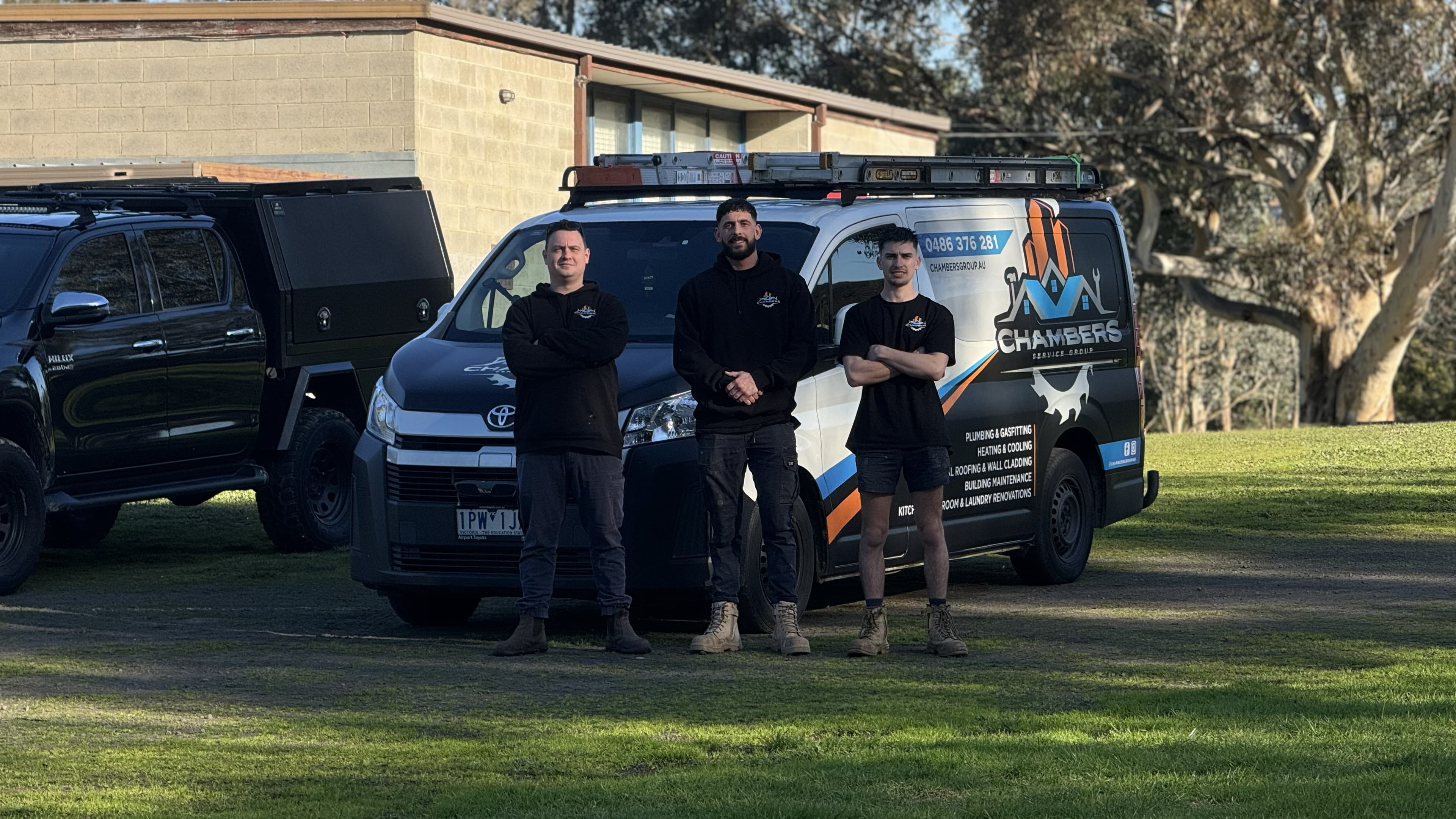
Chambers Service Group plumbing team

Eltham-based plumber · Servicing Melbourne

Gas Fitting Melbourne

Licensed gas fitting for installations, repairs and safety checks. If you smell gas, call immediately.

  • 24/7 emergency service
  • Licensed and insured
  • Usually same-day visits

The Right Fix, From the Start

Chambers Service Group provides straightforward plumbing help with clear communication, tidy workmanship and repairs completed properly. We assess the immediate problem, explain the available options and keep you informed from the first conversation through to final testing and clean-up.

  • Safety-first

    We prioritise safe isolation and compliant repairs/installations.

  • Licensed gas fitting

    Gas appliance connections, pipework and repairs are handled by qualified trades with the required testing.

  • Clear findings

    We explain the fault, the work required and any safety or servicing recommendations before proceeding.

  • Clear next steps

    You get a practical explanation of what we found, what the work involves and any maintenance or follow-up worth considering.

Gas Fitting Melbourne

Common symptoms

Rotten egg or sulphur-like smell near gas appliances

Natural gas is odourless, so an odorant called mercaptan is added to make leaks detectable. If you notice a rotten egg or sulphur smell near your stove, heater, hot water unit, or gas meter, treat it as a potential gas leak. Open doors and windows, avoid operating electrical switches, and evacuate the area before calling a licensed gas fitter.

Pilot light that keeps going out or burns yellow instead of blue

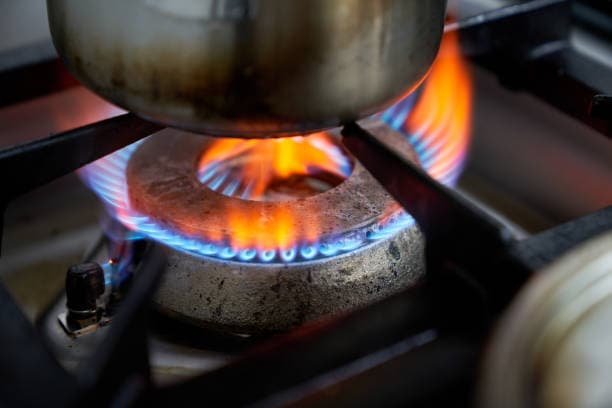
A healthy gas flame burns blue with a small inner cone. A yellow, orange, or flickering flame indicates incomplete combustion - often caused by a dirty burner, incorrect gas pressure, or insufficient air supply. A pilot light that repeatedly extinguishes may point to a faulty thermocouple, blocked pilot tube, or drafting issue that needs professional diagnosis.

Hissing or whistling sound near a gas line or fitting

An audible hiss from a gas pipe, connection, or valve usually means gas is escaping under pressure. Even a small leak can accumulate gas in an enclosed space and create an explosion risk. Do not attempt to tighten fittings yourself - turn off the gas at the meter if safe to do so and call for emergency gas fitting service.

Black soot marks or staining around gas appliances

Soot deposits on or around a gas heater, cooktop, or hot water system indicate incomplete combustion and poor ventilation. This can produce dangerous levels of carbon monoxide - an odourless, colourless gas that causes headaches, nausea, and in extreme cases can be fatal. Have the appliance inspected and serviced immediately.

Higher than expected gas bills with no usage change

A sudden increase in your gas bill without a corresponding change in usage habits may indicate a gas leak in the supply line or at a connection point. Underground or concealed gas leaks can go undetected for months. A licensed gas fitter can pressure-test the system to confirm whether gas is escaping.

How It Works

  1. 01

    Tell us what’s happening

    Call or submit the form. We’ll ask a couple of questions to diagnose the issue and urgency.

  2. 02

    Upfront quote / approval

    Where possible we provide clear pricing before starting work (no surprise bills).

  3. 03

    Repair + test

    We complete the work, test operation, and leave the site clean.

Where We Help Most

We help with everyday plumbing problems for homes and small businesses across Melbourne.

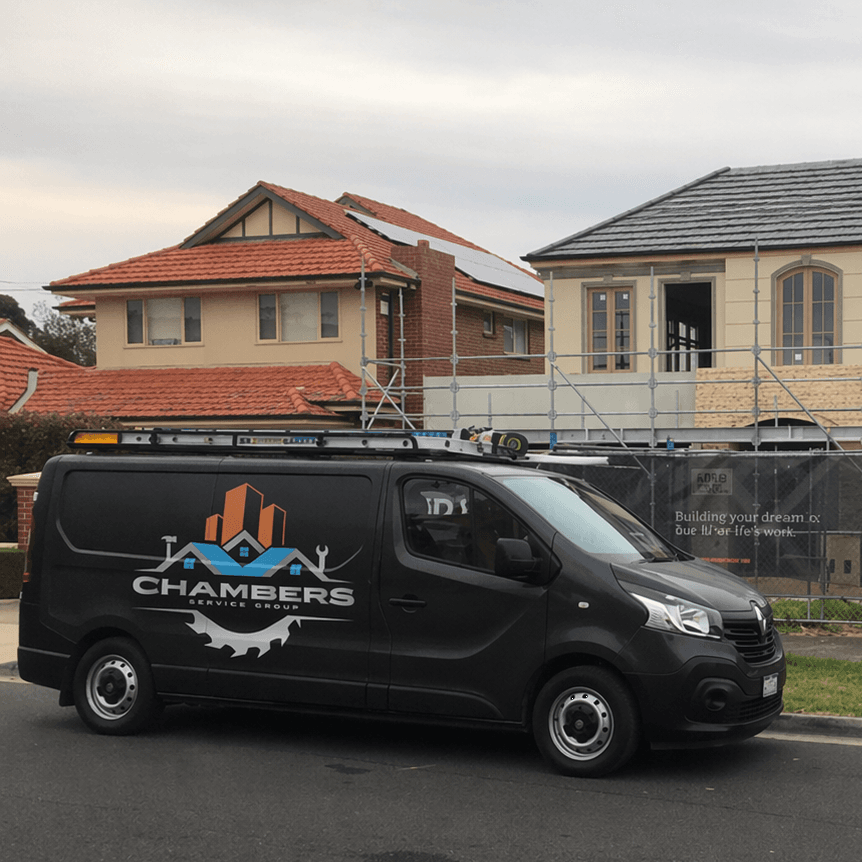
Chambers Service Group service van

Homes & Apartments

Fast repairs for leaks, blockages, hot water failures, and urgent plumbing issues.

Real Estate & Property Managers

Reliable attendance, documentation, and practical repairs tenants can live with.

Small Business

Fixes that minimise downtime: toilets, taps, drainage, and urgent faults.

Common causes

Ageing or corroded gas pipes and fittings

Older Melbourne homes may still have original galvanised steel or black iron gas lines that corrode over time. Rust weakens pipe walls and degrades threaded joints, eventually allowing gas to seep through. Homes built before the 1980s are particularly at risk and benefit from a gas line condition assessment.

Improper DIY connections or unlicensed work

Gas fitting is strictly regulated in Victoria - only licensed gas fitters may install, alter, or repair gas lines and appliances. Unlicensed work frequently uses incorrect fittings, inadequate thread sealant, or non-compliant materials that fail over time. If you suspect previous work was done without a compliance certificate, have it inspected.

Ground movement affecting underground gas lines

Melbourne's reactive clay soils expand and contract with moisture changes, placing stress on buried gas lines. Over time this movement can crack rigid pipes, pull apart joints, or damage connections at the meter. Properties in the western and northern suburbs on highly reactive soil are most susceptible.

Appliance wear, blocked burners, and failed safety devices

Gas appliances contain components that wear out with use - thermocouples, gas valves, ignition systems, and flame sensors all have finite lifespans. A worn thermocouple may fail to detect the pilot flame, while a blocked burner forces incomplete combustion. Regular servicing catches these issues before they become safety hazards.

Insufficient ventilation around gas appliances

Gas appliances require adequate airflow to burn fuel completely and safely exhaust combustion by-products. Enclosing a heater in a cupboard, blocking ventilation grilles, or sealing a room too tightly can starve the appliance of oxygen, producing carbon monoxide and causing flame instability. Ventilation requirements are defined in AS/NZS 5601.

Why Choose Chambers Service Group

Licensed & Insured

Qualified trades, compliant work, and peace of mind.

Fast Response

We prioritise emergencies and aim for same-day attendance.

Upfront Pricing

Clear communication on cost and scope before we proceed.

Work Done Right

We focus on durable fixes, not bandaids.

Prevention tips

Schedule regular gas appliance servicing

Energy Safe Victoria recommends servicing gas heaters every two years and other gas appliances according to manufacturer guidelines. A licensed gas fitter checks burners, seals, safety devices, and flue integrity during a service - catching small issues before they become dangerous or expensive.

Install a carbon monoxide alarm

Carbon monoxide from faulty gas appliances is impossible to detect without an alarm. Install a CO alarm near sleeping areas and in rooms with gas appliances. Australian-standard alarms (AS 1754) provide an audible warning when CO levels become dangerous, giving you time to ventilate and evacuate.

Never block ventilation openings or flues

Permanent ventilation grilles in walls and floors exist to supply fresh air to gas appliances and exhaust combustion gases. Blocking these openings - even temporarily during renovations - can cause incomplete combustion and carbon monoxide buildup. If you need to relocate ventilation, have a gas fitter assess the requirements.

Know how to turn off gas at the meter

Every household member should know the location of the gas meter and how to operate the emergency shut-off valve. In most homes the valve is a quarter-turn lever - perpendicular to the pipe means off. Being able to isolate the gas supply within seconds of detecting a leak can prevent fire and explosion.

Request a gas compliance certificate for any gas work

Licensed gas fitters in Victoria must issue a Certificate of Compliance for all notifiable gas work. This certificate confirms the work meets Australian Standards and has been tested for safety. Always request this document and keep it with your property records - it protects you and future owners.

Service area

Local to Eltham. Serving homes across Melbourne.

Chambers Service Group provides plumbing support from Eltham across Melbourne. Call or request a quote with your suburb and we will confirm service availability for your location.

Call to check your suburb

Frequently Asked Questions

What if I smell gas?

Turn off the gas at the meter if it is safe to do so, open doors and windows to ventilate, avoid operating any electrical switches or appliances, evacuate the area, and call a licensed gas fitter immediately. If the smell is strong or you feel unwell, call 000 and your gas distributor's emergency line.

Do I need a licensed gas fitter for all gas work?

Yes. In Victoria, all gas fitting work - including installation, alteration, and repair of gas lines and appliances - must be carried out by a licensed gas fitter. It is illegal for unlicensed persons to perform gas work, and non-compliant work voids insurance and puts your household at risk.

How much does gas fitting cost in Melbourne?

Costs vary depending on the scope of work. A simple gas bayonet installation or appliance connection typically costs less than running new gas lines through walls or under a slab. We provide a clear quote before starting any work so there are no surprises.

Can you connect a new gas cooktop or oven?

Yes. We install and connect all types of gas cooktops, ovens, and rangehoods. This includes running a new gas line if needed, fitting an isolation valve, connecting the appliance, testing for leaks, and issuing a compliance certificate.

How often should gas heaters be serviced?

Energy Safe Victoria recommends servicing gas heaters at least every two years. Older heaters and open-flue models should be checked more frequently. A service includes inspecting the burner, heat exchanger, flue, thermocouple, and safety controls for wear and carbon monoxide risk.

What is a gas compliance certificate?

A Certificate of Compliance is a legal document issued by a licensed gas fitter confirming that gas work has been completed in accordance with Australian Standards and Victorian regulations. It must be issued for all notifiable gas work including new installations, alterations, and disconnections.

Can you install a gas line for an outdoor BBQ or fire pit?

Yes. We install gas bayonet points and dedicated gas lines for outdoor BBQs, fire pits, pizza ovens, and patio heaters. Outdoor gas installations must comply with clearance requirements and use UV-stabilised fittings rated for external exposure.

What are the signs of carbon monoxide from a gas appliance?

Warning signs include yellow or orange flames instead of blue, soot staining around the appliance, a stale or stuffy smell in the room, and physical symptoms such as headaches, dizziness, or nausea. Carbon monoxide itself is odourless and colourless - a CO alarm is the most reliable detector.

Can you convert appliances from natural gas to LPG or vice versa?

Yes. Gas appliances can be converted between natural gas and LPG by replacing the injectors and adjusting the gas pressure regulator. This must be done by a licensed gas fitter to ensure correct flame characteristics and safe operation. We issue a compliance certificate after every conversion.

Do you handle gas leak detection and repairs?

Yes. We carry out gas leak detection using pressure testing and electronic gas detectors to pinpoint the source. Once located, we repair or replace the faulty fitting, joint, or pipe section and retest the entire system to confirm it is gas-tight before issuing a compliance certificate.

More plumbing services

Need a plumber?

Tell us what is happening.

For urgent plumbing help, call Chambers Service Group now or request a quote to discuss a visit.